

Where Does Starbucks Get Their Coffee From
Just so you know, if you lot click on a product on RoastyCoffee.com and determine to buy it, we may earn a pocket-sized committee.
Co-ordinate to the Internation Coffee Organization (ICO), we drink 1.4 billion cups of coffee per day around the world. Almost 45% of that number, or 400 million cups of coffee a mean solar day, are boozer in the United states alone.
That's a lot of java! But have you lot e'er thought about coffee from a deeper perspective? Where does information technology come from? Is information technology from plants or does it grow on trees? How does it become from bean to cup? Follow the states through this article to discover the inner workings of our love bean.
Where exercise coffee beans come up from?
Coffee originated from the continent of Africa in the state of Ethiopia.
From there, over the years, coffee beans migrated to S East asia, Central, and South America.
Today, Brazil, Vietnam, Republic of colombia, Indonesia, and Ethiopia are still the world'southward top 5 leaders when it comes to growing and producing coffee.
Brazil lonely produces over five billion pounds ofjava every yr and has been theworld's peakcoffee producer for more than 150 years.
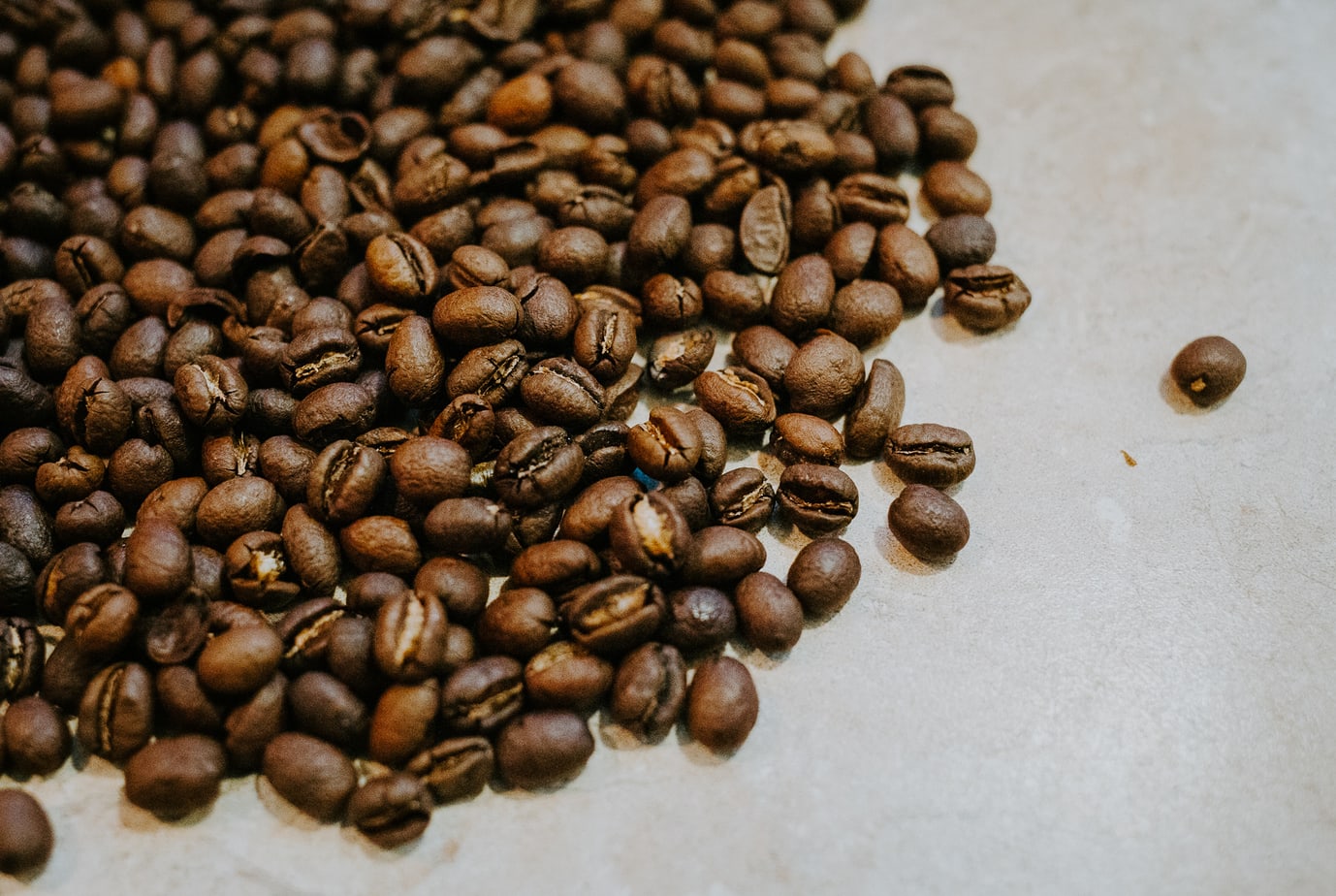
What type of java plants are there?
There are two different types of coffee plants that coffee beans grow on.
The beginning is Robusta, otherwise known asCoffea robusta, or Coffea canephora. Robusta coffee is known for its earthy notes. It is bold and starts off bitter and a flake grainy, merely ends with a smooth peanut buttery aftertaste.
The 2nd blazon is Arabica orCoffea arabica. For those who don't similar the harsher taste of Robusta beans, Arabica beans may exist the manner to become. The reason for this is that Arabica beans are both sweeter and softer than Robusta beans.
Arabica has notes of carbohydrate, berries, and fruit to it. Their acidity is also higher, with that winey taste that characterizes coffee with excellent acidity.
What do coffee beans grow on?
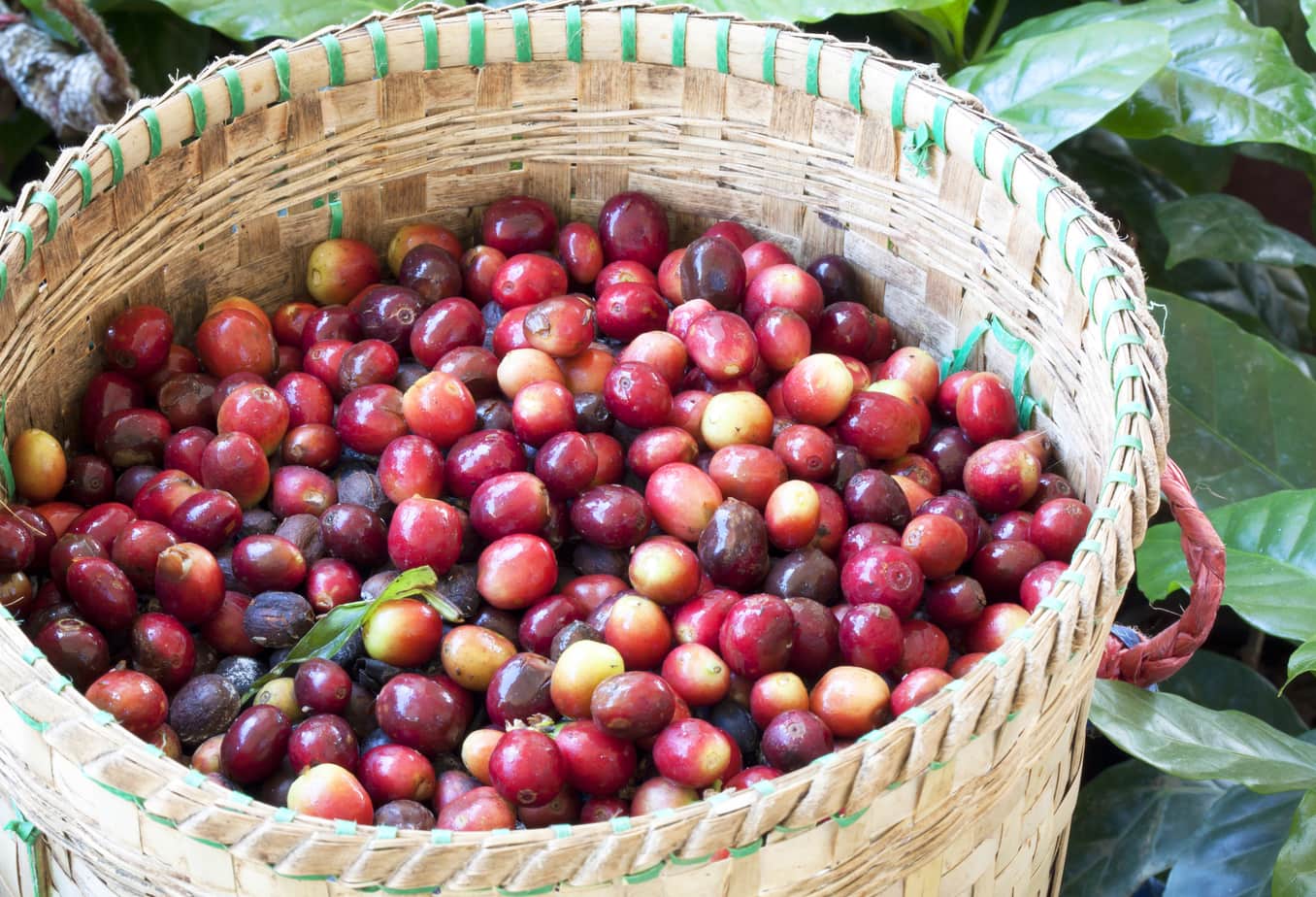
Did you know that the coffee bean is actually considered a seed is known as a coffee cherry? It commonly takes a newly planted java tree anywhere from 2 to four years to grow beans that are ripe enough to harvest.
So do java cherries abound on plants or on copse?
A mature, well-grown coffee plant, can usually grow to a height of between 30-40 feet alpine. Since a tree is considered anything larger than 20 feet tall with a body bigger than iii inches in diameter, a coffee found clearly starts off as a constitute only afterward qualifies as a tree.
Once the berries, otherwise known as cascara or coffee cherries, turn a ripened red color, they are harvested.
What is the growing process?
After the newly planted java plants accept grown, the harvesters will check the coffee cherries for ripeness.
One time the coffee beans are prepare to exist harvested, the crops are then picked past hand in a difficult labor-intensive process. However, in places like Brazil, where the landscape is relatively flat and the coffee fields immense, the process has been mechanized.
Later on the beans are harvested, they go through one of ii types of processes. The dry out method or the wet method.
The dry method is commonly used in countries where water resources are limited.
Outset, the freshly picked cherries are spread out on huge surfaces to dry in the dominicus.
The harvesters will and then try to prevent the cherries from spoiling by raking and turning them throughout the twenty-four hours. Lastly, they will exist covered at nighttime or during rain to prevent them from getting wet.
The moisture method removes the pulp from the coffee blood-red after harvesting and then the edible bean is dried with just the parchment skin left on the coffee bean.
After completing ane of the 2 methods mentioned above, the bean continues on its journey to the states.
How do you go java beans?
Coffee beans become through a mulling process before beingness shipped to us as customers.
This includes a technique called hulling, where the parchment layer from the wet-processed java. Information technology is and then sometimes sent to a polishing process to get rid of any excess pare.
Finally, the beans are graded and sorted according to size and weight.
Later on any lacking coffee beans are removed, the bags of coffee beans are then exported to their respective ownership countries.
Upon inflow, java tasters, normally called cuppers, will then test the beans repeatedly to ensure the quality of taste.
An expert cupper tin taste hundreds of samples of java in a 24-hour interval and still sense of taste the subtle differences between them.
The tests
These tests include a visual examination to make sure the beans look good. Then, the coffee beans volition be immediately roasted, ground and submerged into a temperature-controlled boiling cup of h2o so that the cupper tin can judge the aroma the coffee gives off.
In one case the coffee has had time to residual, the cupper volition chop-chop slurp a spoonful before spitting it out. The purpose of this is to spread the coffee as evenly over the cupper'due south taste buds equally possible. This allows the cupper to weigh the java on his/her natural language.
They do this to not but make up one's mind the characteristics and flaws of the java but to also analyze the potential of blending different beans or the ability to create the proper roast.
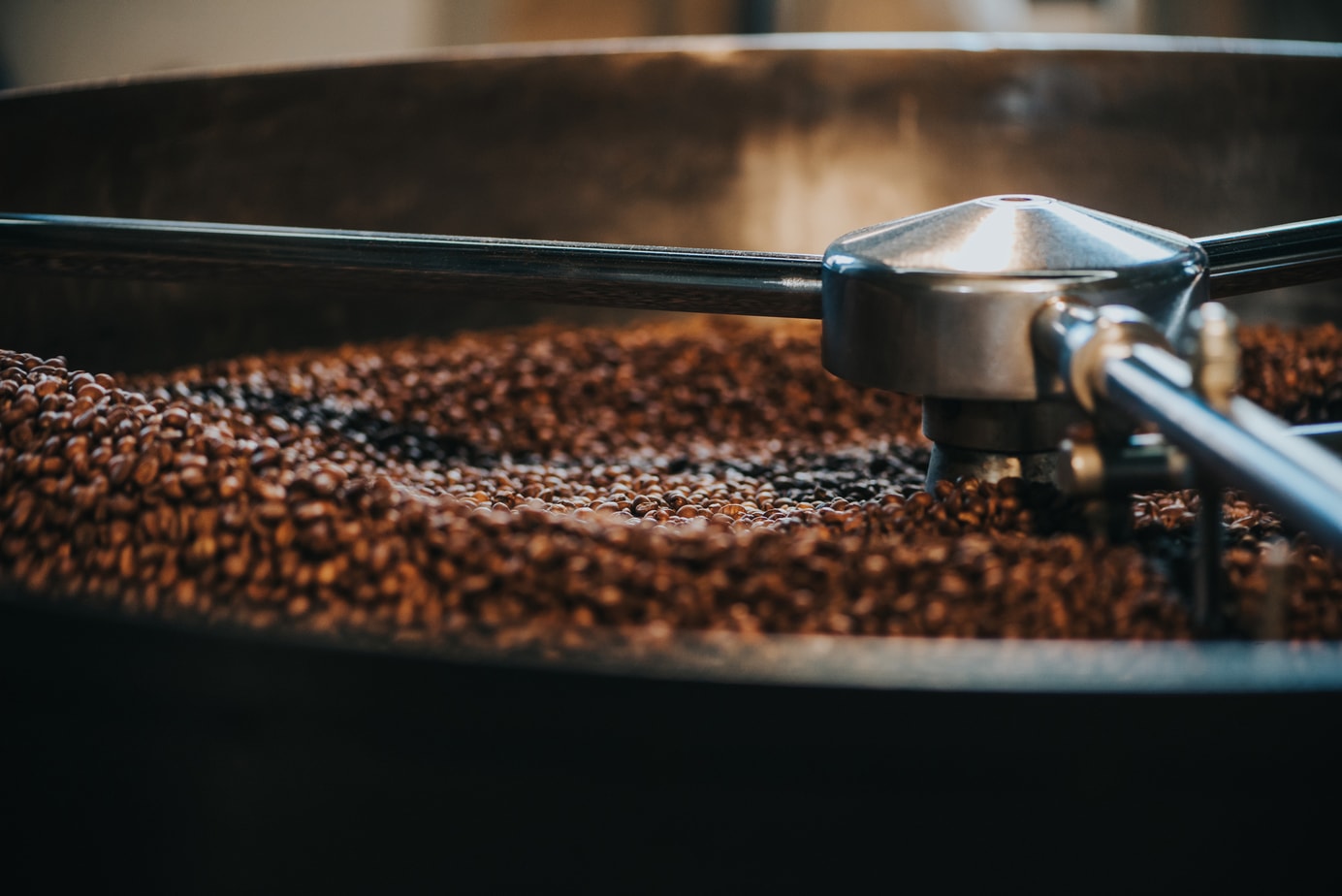
After the beans take been thoroughly tested, they are then roasted. This is usually done in the importing country as roasted java needs to reach its consumers as quickly as possible.
The coffee beans are unremarkably put through a roasting automobile that turns the light-green coffee into the dark-brown beans that we purchase from our favorite java shops/companies
Where practise Starbucks java beans come up from?
Exercise you think Starbucks uses robusta coffee or arabica coffee for their world-famous coffees?
If you guessed arabica beans y'all are correct! Given its more refined gustatory modality, Starbucks uses only arabica coffee (Coffea arabica).
Starbucks sources its arabicacoffee from three key growing regions, Latin America, Africa, and the Asia-Pacific. Still, theirsignaturecoffee blends are mostly from the Asia-Pacific region.
According to its website, Starbucks also has a rich history of sourcing coffee beans from Guatemala, Rwanda, and Timor for their coffees.
Starbucks Reserve, the new hybrid version of a regular Starbucks coffee shop, boasts blends from Uganda, Republic of kenya Vietnam, Brazil, and Republic of colombia.
Afterward a public relations disaster around a decade ago, Starbucks committed itself to both fixing its image and also improving practices in the coffee manufacture. They achieved this by investing more than $100 million in supporting coffee communities and collaborating with farmers through programs such as Coffee and Farmer Equality (C.A.F.Due east.).
You can read more about their commitment to fair trade and ethically sourced coffee hither.
And that ladies and gentlemen are how coffee gets from the coffee copse into your cups at home. Adjacent time you walk into your local java shop and buy your favorite coffee, you can truly appreciate the labor of dear that went into that single bean, handbag, or cup.
Share the goods

Make every day succulent
Sign up for a gratuitous newsletter to help yous mash amazing coffee at habitation.

Brew like a Barista
from home
The Home Barista Coffee Course 14-lesson video course about brewing consistently astonishing coffee at abode. Stream or download the unabridged course to learn how to make coffee equally good as your local barista for a fraction of the price.
Acquire more

Where Does Starbucks Get Their Coffee From,
Source: https://www.roastycoffee.com/where-do-coffee-beans-come-from/
Posted by: steeltherstorted.blogspot.com
0 Response to "Where Does Starbucks Get Their Coffee From"
Post a Comment